
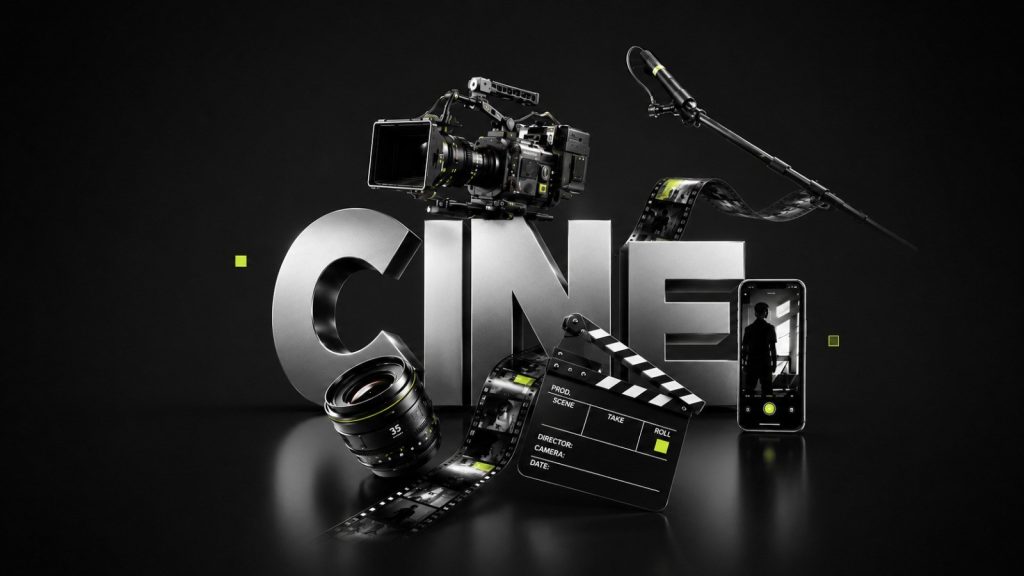
The creative process has always been an intricate blend of inspiration, skill, and tools. For centuries, the tools available—from traditional charcoal to digital tablets and pens—have shaped the way humans bring ideas to life. Now, generative AI (Gen AI) is transforming this landscape yet again, introducing new possibilities and efficiencies that were once unimaginable.
What is generative AI illustration?
Generative AI illustration refers to images created by machine learning models trained on massive datasets of existing artwork. Instead of a human drawing every line by hand, the artist describes what they want in plain language, and the model generates a visual interpretation in seconds.
How AI is changing creative workflows
Studios and freelancers alike are folding these tools into everyday work — not to replace the creative decision-making, but to compress the distance between an idea and a first draft. Mood boards, concept art, and rough layouts that once took a day now take minutes, leaving more time for the parts of the job that actually need a human eye.
What tools are used for AI illustration
The landscape spans everything from general-purpose image generators to niche tools built for specific styles — product mockups, character design, background art, and more. Most teams end up using two or three in combination, picking whichever tool fits the texture of a given project.
Youth-Powered: real-world use case
Imagine typing, “a majestic dragon resting on a mountain of gold in a dark cave,” and watching as a high-quality image materializes in seconds. These illustration tools, powered by younger, digitally-native creative teams, are already reshaping how brands prototype campaigns before a single frame is shot.
How Gen AI enhances illustration
- Faster prototyping
- Lower barriers to entry
- Expanding creative boundaries
The future of illustration with AI
The tools will keep getting faster and more precise, but the studios that win won’t be the ones that generate the most images — they’ll be the ones that know which ten seconds of AI output are actually worth keeping.